


10-21 Police Phone
2.8362.00 Reviews
App Specs
- Version
- 7.8.0
- Updated On
- License
- Free
- Downloads
- 100,000+
- Developer
- Motorola Solutions
- Categories
- Communication
- Platform
- Android
Screenshots
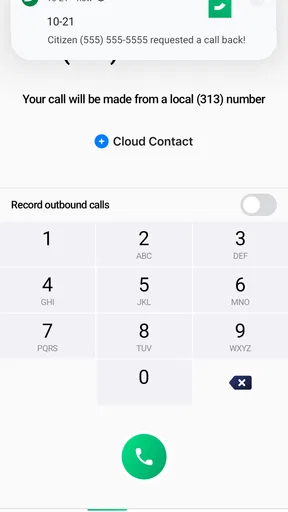
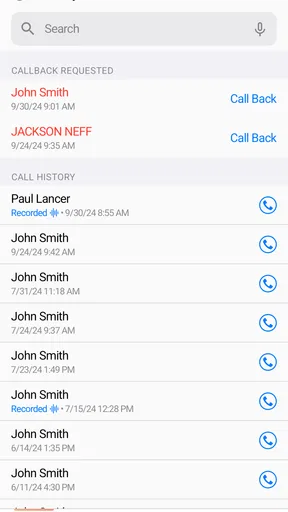
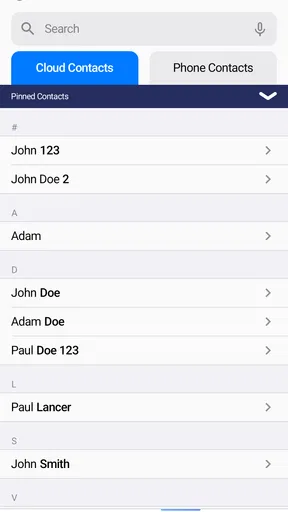
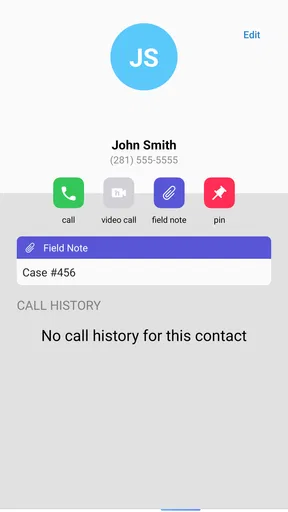
 Analysis by AppCompare
Ever found yourself wondering what it’s like to be on the other side of a 911 call? Well, 10-21 Police Phone might just be the perfect app for you. It's not just another communication tool; it’s a chance to step into the shoes of our everyday heroes. I decided to dive into this app to see what it’s all about, and I can’t wait to share my experience with you.
Where a shared phone fits—and where it doesn’t
The name can sound like an invitation for anyone to try a police-themed communication app, but I would not treat it as a household game or a general-purpose family messenger. Its focus is communication connected with law enforcement, so the useful question is whether the intended people and purpose fit your situation. For a household, that may mean keeping a phone available for a specific, appropriate communication task—not handing it around as a toy or expecting it to coordinate everyday family plans.
For example, imagine a family sharing a device that an adult uses for a community or work-related communication need. Before anyone else opens the app, I would agree who is responsible for the device, who may use the account, and what kinds of messages belong there. That simple conversation prevents a shared screen from creating confusion about who is speaking. If the need is ordinary coordination—“I’m running late” or “please pick up groceries”—a familiar family chat or text message is a better fit.
Make account boundaries part of setup
Shared-device use deserves a little more thought than the initial installation. I would avoid assuming that separate household members automatically get separate identities or private spaces inside the app. Instead, decide whether the device and account are for one designated user, and keep access consistent with that decision. If the phone changes hands, the next person should know whose communication they are viewing and whether they are expected to respond.
This is also a good reason not to leave a shared phone unattended while a conversation is open. A screen that is easy for one person to check may be visible to another, and a notification can draw attention at an awkward moment. I would make a habit of closing the app when the intended user is finished and handing the device over only when the next user has a clear reason to use it. That is practical housekeeping, not a claim about a special family-control feature.
Before relying on any communication app for a work or public-safety task, I would also confirm that the relevant organization actually uses it and explain the expected workflow to everyone involved. Installing an app by itself does not establish that another person is available to contact through it. That distinction matters here: a household should not mistake having the app on a phone for having a direct line to local police or a substitute for emergency services.
What is 10-21 Police Phone All About?
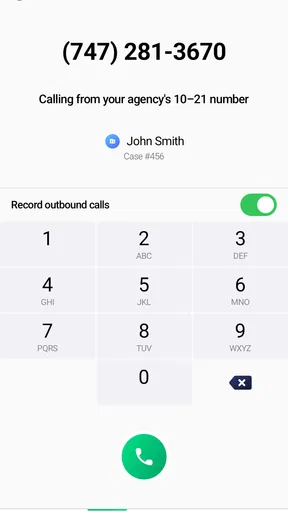
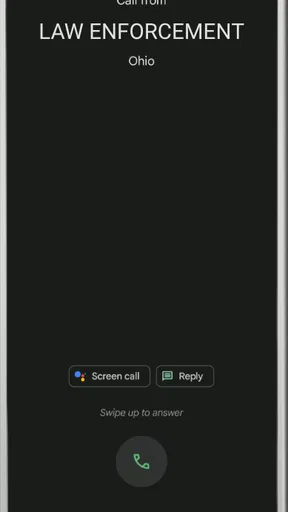
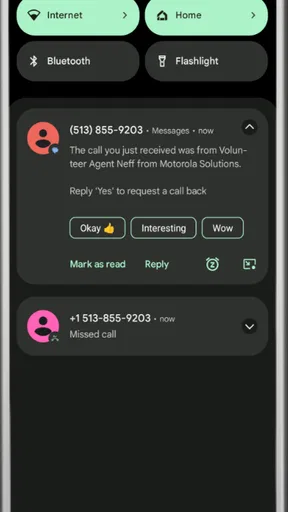
First things first, let me give you the lowdown on what 10-21 Police Phone actually is. Essentially, it’s a communication app designed for police officers to connect with the public. The idea is to facilitate easier, more efficient communication between law enforcement and civilians, helping to keep everyone on the same page. No more missed calls or voicemails; it’s all about instant, direct communication.
Worth Reading Before You Choose

EA SPORTS FC Mobile 26 Is a Bigger Football Game, but It Takes Time

Flipboard Shows What News Apps Must Do Beyond the Feed

Switching to Android Auto Means Rethinking Your Driving Routine

Google Calendar Makes a Crowded Week Easier to Manage

Ludo King Makes the Most of the Minutes Between Plans

Baby Panda World Brings Quick Play to Modern Phones, but Its Game Library Feels Busy
Getting Started
Setting up the app was a breeze. After downloading it from the app store, I was greeted with a clean, intuitive user interface that made navigation a walk in the park. The installation was quick, and I was up and running in no time. The app requires some basic information to get started, but nothing too out of the ordinary. If you’re a fan of straightforward setups, you’ll love how seamless this process is.
Features that Stand Out
Now, let’s talk features. One of the first things I noticed was the app’s ability to handle multiple conversations at once. Officers can manage several calls simultaneously without any hiccups. This multitasking capability really sets it apart from other apps. Plus, there’s a neat feature that allows officers to send pre-recorded messages, which can be a real time-saver in high-pressure situations.
For a household deciding whether this kind of tool belongs on a shared phone, that conversation-handling focus is more relevant than the novelty of installing another messaging app. The value is tied to the work context: several ongoing exchanges and prepared messages can help an officer keep communication moving when attention is divided. It does not make the app a better choice for a family group chat, where people usually need flexible, familiar replies and a clear record of everyday plans.
A practical tip is to agree on a simple handoff routine if a device is shared. The designated user can finish their communication, check that no response is expected from someone else using the phone, and then tell the next person the device is available. That reduces the chance of a family member accidentally replying in the wrong context. It also keeps the app’s usefulness separate from ordinary household coordination rather than mixing two very different kinds of conversation.
Another standout aspect is the app’s focus on security. With sensitive information being shared, it’s crucial that the app provides robust security measures. 10-21 Police Phone doesn’t disappoint, offering encrypted communication to ensure that all exchanges remain confidential.
User Experience
The user experience is top-notch. The app runs smoothly without any noticeable lag, even when handling multiple tasks. The design is clean and easy to navigate, making it accessible for users who might not be tech-savvy. I found the notifications to be timely and non-intrusive, which is a huge plus when you’re trying to focus on other tasks.
On a shared phone, I would still think carefully about who sees those notifications. A message preview can reveal that a conversation is happening even when nobody has opened the app, so the person responsible for the device should consider where and when the phone is left visible. If several people rely on the same handset, a quick verbal handoff is more dependable than expecting everyone to infer who should respond from a notification.
Additionally, the app includes a handy directory feature, allowing officers to quickly access contact information without having to dig through endless lists. This little touch enhances efficiency and ensures that communication can happen swiftly when every second counts.
That directory is a work-oriented convenience, not a replacement for the contacts a household already uses. I would keep family phone numbers and day-to-day plans in the tools the household normally relies on, rather than trying to make one police communication app serve every purpose. In practice, using the right channel for each conversation makes responsibilities easier to understand: a family member knows where to look for a pickup plan, while the intended user keeps the law-enforcement communication workflow distinct.
Coordination, alternatives, and age context
Compared with common alternatives such as calls, texts, and general-purpose messaging apps, 10-21 Police Phone is narrower by design. Those familiar options are usually simpler when relatives just need to coordinate schedules, share a quick update, or reach one another without a specialized context. The reason to choose this app is not that it should replace every other channel; it is that its police-focused communication tools may suit a particular professional or public-facing workflow better than an ordinary chat.
That distinction is useful when planning for an interruption. If a household member is responsible for the device and gets a message while cooking, driving preparations are underway, or children are asking for help, the family should already know who is expected to handle the app. The app does not remove the need to make that arrangement. I would keep urgent family matters on a channel the household knows to monitor, rather than assuming that a work-related communication tool will be checked at the right moment.
The app is free to install, while in-app purchases range from $4.99 to $49.99 per item. I would look at any purchase in light of the intended use and the person responsible for the account, rather than treating a shared phone as permission for every household member to buy something. That is especially sensible if the device is used by more than one person: agree who can approve spending before anyone explores purchase options.
Its Everyone age rating describes the content classification, but that does not mean every child should use it or that it is designed for children. I would explain the purpose of the app and keep access with the adult or authorized user who needs it. There is no need to present it as a family safety feature; it is better understood as a communication tool whose audience and use should be clear. Families looking for child-to-parent messaging or parental oversight should choose a service built for those needs instead.
Challenges and Considerations
No app is perfect, and 10-21 Police Phone is no exception. While the app performs admirably, it’s worth noting that it requires a stable internet connection to function optimally. In areas with poor connectivity, this could pose a challenge. However, in most urban environments, this isn’t likely to be a significant issue.
That connection requirement is a practical limitation rather than a minor technical footnote. If the person using the app expects to communicate somewhere with unreliable service, I would not make it the only route for an important exchange. A normal phone call or another approved channel may be more suitable when a dependable connection is uncertain. For a household, this also means not relying on the app to carry routine messages that another family member urgently needs to see.
Another consideration is the learning curve for those who are not familiar with digital communication tools. While the app is user-friendly, some training might be necessary to ensure all users can utilize its full potential.
That training point matters more on a shared device, where more than one person may be tempted to explore the interface. I would keep the learning process with the person who is meant to use the app, rather than letting a curious relative experiment during an active work session. If the user is unsure how a conversation or directory entry should be handled, a quick explanation from the relevant organization is a better safeguard than guessing.
There are also a few basic questions worth settling before depending on it. A person should establish whether their intended contact or organization uses the app, which user is responsible for the account, and what alternative channel to use if the internet connection fails. Those answers come from the intended communication arrangement, not from simply downloading the app. Thinking them through first avoids the most common household misunderstanding: assuming a new icon automatically creates a shared, always-available contact point.
Final Thoughts
All in all, 10-21 Police Phone is a solid app that bridges the gap between law enforcement and the community. It’s intuitive, secure, and packed with features that make communication easier and more efficient. While there are a few hurdles to consider, the benefits far outweigh any minor inconveniences. For anyone in law enforcement looking to enhance their communication capabilities, this app is definitely worth checking out.
So, if you’re curious about how technology is reshaping public safety, give 10-21 Police Phone a try. You might just find that it’s the missing piece in your communication puzzle.
Who I would recommend it to
Motorola Solutions is the developer behind this communication app, which has been available since October 20, 2015. Its current version is 7.5.0, and it requires Android 12 or later. It is free, has an Everyone content rating, and has drawn more than 100,000 installs. Its average rating is 2.8 from 608 ratings, alongside 359 written reviews. I would treat that rating as a reason to read user feedback and check that the app matches a specific need, not as proof that it will work equally well in every setting.
I see the strongest case for it when an officer or an organization has a clear reason to use this dedicated channel and can explain the process to the people involved. I would not recommend it simply because someone wants a new way to message relatives, nor would I install it on a child’s shared device without a defined adult purpose. For an ordinary household, familiar calls and messaging remain the less complicated option; for a relevant law-enforcement communication workflow, the specialized focus is the point.
A sensible household decision
My household verdict is to keep roles clear. Decide who owns the device in practice, who is allowed to use the app, which conversations belong there, and what everyone should do if connectivity is poor. Those boundaries are especially useful when one phone serves both work and home purposes, because a family member can otherwise mistake a notification for a request addressed to them. A brief handoff routine and a separate channel for family plans are simple habits that prevent that confusion.
I would choose 10-21 Police Phone only when its intended communication purpose is real and the relevant people know how to use it. If that describes your situation, its directory, multiple-conversation handling, and prepared messages may be worthwhile. If you want a shared family messenger, a child-focused contact tool, or a guaranteed emergency line, I would look elsewhere and use the appropriate established service instead. That is the clearest way to get value from the app without expecting it to solve a different problem.
Pros
- Intuitive and user-friendly interface.
- Comprehensive emergency contact list.
- Real-time GPS tracking for safety.
- Customizable notification settings.
- Quick access to vital services.
Cons
- Limited offline functionality.
- Requires stable internet connection.
- Some features are subscription-based.
- Occasional app crashes reported.
- Interface lacks advanced customization.
FAQs for 10-21 Police Phone
What features does the 10-21 Police Phone app offer?
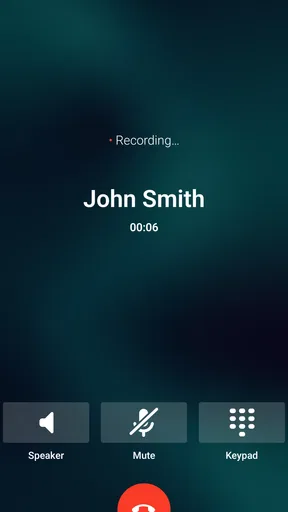
The 10-21 Police Phone app allows law enforcement officers to make non-emergency calls to members of the public without revealing their personal phone numbers. It provides secure communication, call history logs, and customizable caller IDs. Additionally, it supports integration with existing police systems to streamline operations and enhance community engagement.
Is the 10-21 Police Phone app available for both Android and iOS devices?
Yes, the 10-21 Police Phone app is available for download on both Android and iOS platforms. It is designed to be compatible with a wide range of devices, ensuring that officers can access its features seamlessly, regardless of the operating system they use, thereby enhancing communication flexibility.
How does the app ensure the privacy and security of officers' phone numbers?
The 10-21 Police Phone app ensures privacy by masking officers' real phone numbers with a generic department number when making calls. It uses encrypted communication channels to protect data and call logs. This security measure prevents personal numbers from being disclosed, safeguarding officers' privacy and maintaining professional boundaries.
Can the app be integrated with existing police department systems?
Yes, the app is designed to integrate smoothly with existing police department systems. This integration allows for a cohesive workflow, where call logs and communication data can be easily synchronized with departmental databases, enhancing efficiency and facilitating better management of non-emergency communications.
Is there a cost associated with using the 10-21 Police Phone app?
The cost of using the 10-21 Police Phone app can vary depending on the department’s specific requirements and the number of users. Departments should inquire directly with the app provider to get detailed pricing information, including any potential subscription fees or additional charges for premium features.


